Project Photo Gallery
In today's professional world, first impressions matter. Whether someone is visiting your company's website, viewing your LinkedIn profile, reading a corporate brochure or considering working with your organisation, the way you present yourself can influence how others perceive your business. Corporate headshots are an important part of that first impression, providing a professional introduction to the people behind a company, its services and its reputation.
A corporate headshot is much more than a photograph of someone's face. It is a carefully created portrait designed to communicate confidence, approachability, competence and personality. When photographed well, it helps establish trust before a conversation has even begun. For businesses of all sizes, professional headshots are an effective way to create a consistent visual identity and show clients that the organisation values quality and professionalism.
From company directors and senior executives to sales teams, consultants, office staff and business owners, corporate headshots serve a wide range of purposes. They appear on company websites, professional networking platforms, annual reports, marketing campaigns, staff directories, media releases and presentations. In many cases, these images become the public face of the people responsible for delivering a company's products or services.
With more business interactions taking place online, professional portraits have become increasingly important. Customers frequently research a business and its employees before making contact. A well-produced headshot helps make that introduction personal, reassuring and memorable.
People naturally respond to faces. When we encounter a business online, photographs of the people involved can make an otherwise unfamiliar organisation feel more approachable. A professional headshot allows potential customers, colleagues and business partners to connect a name with a person, helping establish a sense of familiarity.
Consistency is particularly important for organisations with multiple employees. Imagine visiting a company's website and seeing a leadership team photographed in a uniform style, with consistent lighting, backgrounds and composition. The result looks organised and professional. Now imagine the same page featuring a mixture of selfies, holiday photographs, cropped event pictures and portraits taken against different backgrounds. Even if the employees are equally capable, the overall presentation may appear less cohesive.
Corporate headshots solve this problem by creating a unified visual style. They allow each employee to retain their individual personality while ensuring that the team is represented consistently across the business.
Professional headshots also help organisations demonstrate that they care about their people. Investing in quality portraits can communicate that employees are valued members of the business rather than simply names on an organisational chart. This can be particularly useful for companies that rely on personal relationships, including legal practices, financial services, consulting firms, property agencies and professional service providers.
For smaller businesses, a professional portrait can be just as valuable. A sole trader or independent consultant may not have a large marketing budget, but a strong headshot can help establish credibility and create a more polished online presence.
A successful corporate headshot combines technical quality with a genuine representation of the person being photographed. Sharp focus, appropriate lighting, natural skin tones and thoughtful composition are essential, but technical perfection alone does not guarantee a compelling portrait.
The expression is often the most important element. A relaxed, confident expression can make someone appear approachable and trustworthy, while an overly serious or forced smile may communicate something quite different from the intended message. The best expression depends on the individual, their industry and the personality of the organisation.
Body language also contributes to the result. Small adjustments to posture, shoulder position, head angle and eye direction can make a considerable difference. A professional photographer understands how to guide these details without making the subject feel uncomfortable or self-conscious.
Lighting plays a major role in shaping the face. Soft, controlled light generally produces flattering results, while carefully placed shadows can add dimension and character. Harsh lighting may emphasise unwanted details, and poorly balanced lighting can create uneven skin tones or distracting shadows.
The background should support the portrait rather than compete with it. A clean studio background offers a timeless, consistent appearance, while an office or workplace background can provide useful context. The right choice depends on the company's brand, the subject's role and where the photograph will be used.
Composition is equally important. Corporate headshots are commonly framed from the chest or shoulders upwards, allowing the viewer to concentrate on the face. The photographer must also consider how the image will be cropped on different platforms, particularly when portraits are displayed as small profile photographs.
Ultimately, the strongest corporate headshots look professional without appearing artificial. They should represent people as they genuinely are while presenting them in a confident and flattering way.
There is no single style of corporate headshot that suits every organisation. The most effective approach reflects the company's culture, industry, audience and brand identity.
A traditional corporate style often features a neutral background, formal clothing, controlled studio lighting and a straightforward composition. This approach can work particularly well for law firms, accounting practices, financial institutions and senior executives who need a polished and authoritative appearance.
A contemporary business portrait may use softer lighting, more relaxed expressions and a slightly less formal composition. This style can be appropriate for technology companies, consulting businesses, marketing agencies and organisations that want to appear professional while maintaining a friendly personality.
Environmental headshots are photographed in a workplace or another meaningful location. An executive might be photographed in a modern office, an architect in a studio surrounded by design materials, or an engineer in a suitable professional environment. These portraits can communicate more about the person's work and expertise than a plain background alone.
Some businesses prefer a combination of approaches. A company may choose consistent studio headshots for its staff directory while commissioning more creative portraits of senior executives for marketing campaigns and media profiles.
The important consideration is consistency within each application. A business does not necessarily need every photograph to look identical, but its portraits should feel as though they belong to the same organisation.
Before a photography session, it is useful to discuss the intended style with the photographer. Examples of preferred portraits, brand guidelines and existing marketing materials can help establish a clear creative direction.
Preparation can significantly improve the results of a corporate headshot session. When employees know what to expect, they are more likely to feel comfortable, arrive ready and enjoy the experience.
Clothing is one of the first considerations. The best choice should reflect the person's professional role and the culture of the business. Traditional corporate environments may call for suits, business shirts, jackets or conservative dresses, while creative workplaces may prefer smart casual clothing.
Neutral colours and simple patterns generally work well because they keep attention on the face. Very busy patterns, large logos and highly reflective accessories can become distracting. Clothing should also fit comfortably, as an ill-fitting jacket or collar can affect the overall appearance of the portrait.
Employees should choose clothing that feels authentic to them. If someone rarely wears a formal suit, forcing that style may create an image that feels inconsistent with their everyday professional identity. The goal is to present the individual at their professional best without disguising who they are.
Grooming should be approached in a similar way. Hair should be arranged as the person would normally wear it at work, and any personal grooming choices should reflect their usual appearance. If makeup is worn, a natural finish often photographs well, although individual preferences and company requirements should guide the decision.
It is also helpful to get sufficient rest, arrive on time and allow a few minutes to settle in before the session begins. Corporate photography does not need to be stressful. A skilled photographer will explain how the session works, provide simple directions and make small adjustments to help each person look comfortable.
For companies photographing large teams, a clear schedule can prevent unnecessary disruption. Booking employees in short time slots allows the business to continue operating while ensuring that everyone receives enough attention.
Providing staff with advance instructions about clothing, location, timing and the intended use of their photographs can make the entire process more efficient.
One of the main decisions when planning corporate headshots is whether to photograph employees in a studio-style setup or within their working environment. Both approaches offer advantages, and the right choice depends on the purpose of the images.
Studio headshots are created using a controlled lighting setup and a selected background. Because the photographer can maintain consistent conditions, studio portraits are particularly suitable for businesses that need photographs of many employees over a short period or across multiple sessions.
A studio setup can be brought into an office, allowing staff to be photographed on site without travelling to a separate location. This is often a practical solution for large organisations, where convenience and consistency are important.
Environmental headshots use the workplace or another relevant location as part of the photograph. They can provide context, reveal something about the person's role and create a more editorial style. For example, a business consultant might be photographed in a meeting room, while a designer could be photographed in a creative workspace.
Environmental photography requires more attention to backgrounds, available light and surrounding activity. The photographer needs to ensure that the setting enhances the portrait without distracting from the subject.
Some organisations benefit from having both types of images. Consistent studio portraits can be used for staff directories and internal systems, while environmental portraits provide additional visual material for websites, articles and promotional campaigns.
Company websites are among the most common places to use corporate headshots. An effective team page introduces employees and helps visitors understand the people behind the organisation. It can also make it easier for potential clients to identify the person they need to contact.
For businesses offering professional services, photographs of partners, directors and specialists can help establish a more personal connection. Clients often want to know who will be advising them, managing their projects or handling their accounts. Professional portraits help make that relationship feel more tangible.
LinkedIn is another important application. A professional profile photograph provides an immediate visual introduction and can contribute to a consistent personal brand. For employees who represent their organisation publicly, a suitable headshot helps align their individual professional presence with the company's image.
Corporate headshots should be supplied in suitable dimensions and resolutions for their intended platforms. A photograph used on a website may need a different crop from one displayed in a circular social media profile. Providing carefully prepared versions helps prevent faces from appearing too small, too close to the edge or awkwardly cropped.
Businesses should also consider how portraits will appear across different devices. Images that look excellent on a desktop monitor may be displayed much smaller on a mobile phone, so facial clarity and appropriate composition remain important.
Executive portraits have a particular role in corporate communication. Directors, chief executives, partners and senior managers often represent the organisation in public, speaking with clients, investors, employees, journalists and industry groups.
Their headshots may appear in annual reports, media announcements, conference biographies, board profiles and company leadership pages. These images should communicate credibility while reflecting the personality and values of the individual.
For senior leaders, the photographer may recommend a slightly more tailored approach than a standard employee headshot session. Clothing, expression, background and lighting can be adjusted to support the executive's role and the company's brand.
A chief executive of a large financial organisation may prefer a formal portrait, while the founder of a creative business might choose a more relaxed environmental photograph. Neither approach is universally better; the objective is to create an authentic and appropriate representation of the person.
Consistency remains important when photographing an entire leadership team. Similar framing, lighting and colour treatment can create a unified presentation, even when individual portraits are taken at different times.
Photographing a large team requires planning, organisation and a repeatable process. The challenge is not simply to take a photograph of every employee, but to ensure that the entire collection feels consistent and can be managed efficiently.
Before the session, establish how many employees need to be photographed, where the images will be used and whether particular departments require different styles. A shot list and appointment schedule help ensure that the session runs smoothly.
Lighting and camera position should remain consistent throughout the session wherever possible. The photographer should also maintain similar framing, background distance and colour balance. These details become particularly noticeable when many portraits are displayed together on a website.
For organisations with multiple offices, a standardised photography brief can help maintain consistency across locations. This might include lighting references, background specifications, cropping guidelines and file naming conventions.
Some companies photograph new employees during onboarding or arrange regular portrait days. This helps maintain an up-to-date staff directory without requiring the entire team to be photographed every time someone joins or leaves the organisation.
Image management should be considered from the beginning. Files need clear names, secure storage and a straightforward system for identifying employees. The business should also establish who can access the photographs and how approved images are distributed to marketing, human resources and communications teams.
Professional editing is an important stage of the corporate headshot process. It helps ensure that the final images look polished, consistent and suitable for business use.
Basic editing may include exposure adjustments, colour correction, contrast, cropping and balancing the overall appearance of the photograph. Retouching can also address temporary distractions, such as a small blemish or a stray hair, when appropriate.
The aim should be to enhance the photograph without changing the person beyond recognition. Excessive skin smoothing, unrealistic facial alterations and heavy-handed editing can make a portrait look artificial and may undermine the trust it is intended to build.
Natural skin texture, realistic colour and recognisable features are particularly important for corporate portraits. The final image should look like the person clients and colleagues will actually meet.
For organisations with many employees, consistent editing is just as important as consistent photography. Similar colour treatment, contrast and background presentation help the portraits look cohesive when displayed together.
The price of corporate headshots varies according to the number of people being photographed, the length of the session, the location, the complexity of the lighting setup and the amount of editing required.
An individual executive portrait may involve a short session and a small selection of finished images. A company-wide headshot project could require several hours or multiple days, particularly when hundreds of employees need to be photographed across different departments or locations.
Other factors include travel, equipment requirements, background choices, turnaround time and the intended usage of the photographs. Some photographers offer individual packages, while larger assignments are priced according to a customised brief.
When comparing quotes, businesses should check how many edited images are included, whether additional photographs can be purchased, what retouching is provided and how the files will be delivered. Usage rights should also be discussed so the organisation understands how the photographs may be used in marketing and communications.
The cheapest option is not necessarily the most economical. Consistent, well-produced portraits that remain useful across several platforms may provide better long-term value than inexpensive photographs that need to be replaced or reshot.
Selecting the right photographer is an important part of achieving successful results. Start by reviewing examples of their corporate headshot work, paying attention to lighting, expression, consistency and the way different people are photographed.
Look for experience with the type of assignment you need. Photographing a single executive in a studio is different from managing a full-day session for a large company. A photographer who regularly works with corporate clients will understand the importance of scheduling, clear communication and efficient direction.
It is also worth considering how the photographer interacts with people. Many employees feel uncomfortable in front of a camera, especially when they are unfamiliar with professional portrait sessions. A calm and encouraging approach can help people relax and produce more natural expressions.
Before booking, discuss the brief, style, location, image delivery and budget. Make sure the photographer understands where the photographs will be used and whether the business has any specific brand guidelines.
Clear expectations help avoid misunderstandings and ensure that the finished images meet the organisation's needs.
Corporate headshots should remain an accurate representation of the people in your organisation. As employees join, leave or move into new roles, the company's image library needs to be updated accordingly.
Many businesses review their headshots every one to three years, although the appropriate schedule depends on the organisation, the frequency of staff changes and how quickly branding evolves.
Updating portraits is also worthwhile when a company redesigns its website, changes its visual identity or introduces a new leadership team. A coordinated update can improve the consistency of the entire online presence.
For ongoing efficiency, establish a simple process for arranging headshots for new employees and replacing outdated images. Keep a record of when photographs were taken and where they are used, particularly when images appear in multiple marketing materials.
Businesses should also consider employee privacy, consent and image permissions. Staff should understand how their photographs will be used, and the organisation should manage the images in accordance with its internal policies and applicable legal requirements.
Corporate headshots are an important component of a business's wider visual identity. Alongside its logo, colours, typography and marketing photography, a consistent collection of portraits helps communicate the company's personality and standards.
When planning a corporate photography session, consider the complete range of images the business might need. In addition to individual headshots, it may be useful to photograph leadership groups, full teams and selected workplace scenes. Coordinating these images in one session can save time and provide a broader collection of marketing assets.
Think about the people you want to reach and the impression you want to create. A company that values innovation may choose a contemporary photographic style, while a professional services firm may prefer a more traditional presentation. The style should feel authentic to the organisation rather than following a trend simply because it is fashionable.
When corporate headshots are planned carefully, they become more than a set of employee photographs. They help introduce the people behind the business, support a consistent brand image and create a more personal connection with clients and colleagues.
In a world where many professional relationships begin online, a strong corporate headshot is a valuable business asset. It introduces people with confidence, communicates professionalism and helps make an organisation feel more approachable.
From individual business owners and senior executives to growing teams and large corporate organisations, professional portraits can improve websites, LinkedIn profiles, company directories, annual reports and marketing campaigns.
The best results come from combining thoughtful preparation, appropriate lighting, clear direction and natural retouching. Choosing a photographer who understands the company's objectives helps ensure that every portrait reflects both the individual and the organisation they represent.
Whether you are updating a single executive portrait or arranging a coordinated headshot session for an entire team, investing in professional corporate photography helps create a consistent and credible image of your business.
Ultimately, corporate headshots are about people. They show the faces behind the expertise, the personalities behind the services and the individuals who help a business succeed. When done well, they create a professional first impression that supports lasting relationships.
Looking for other services:
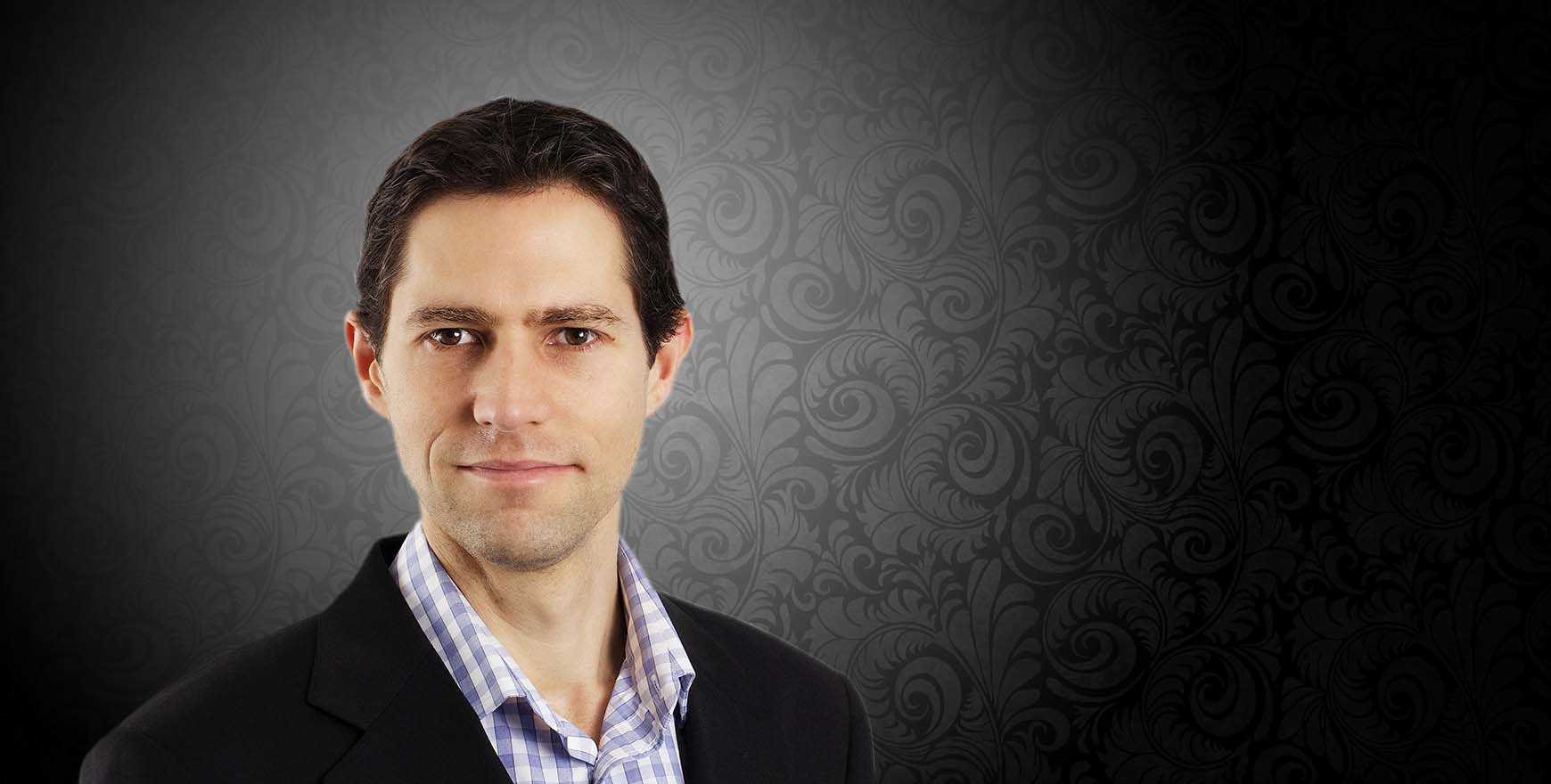
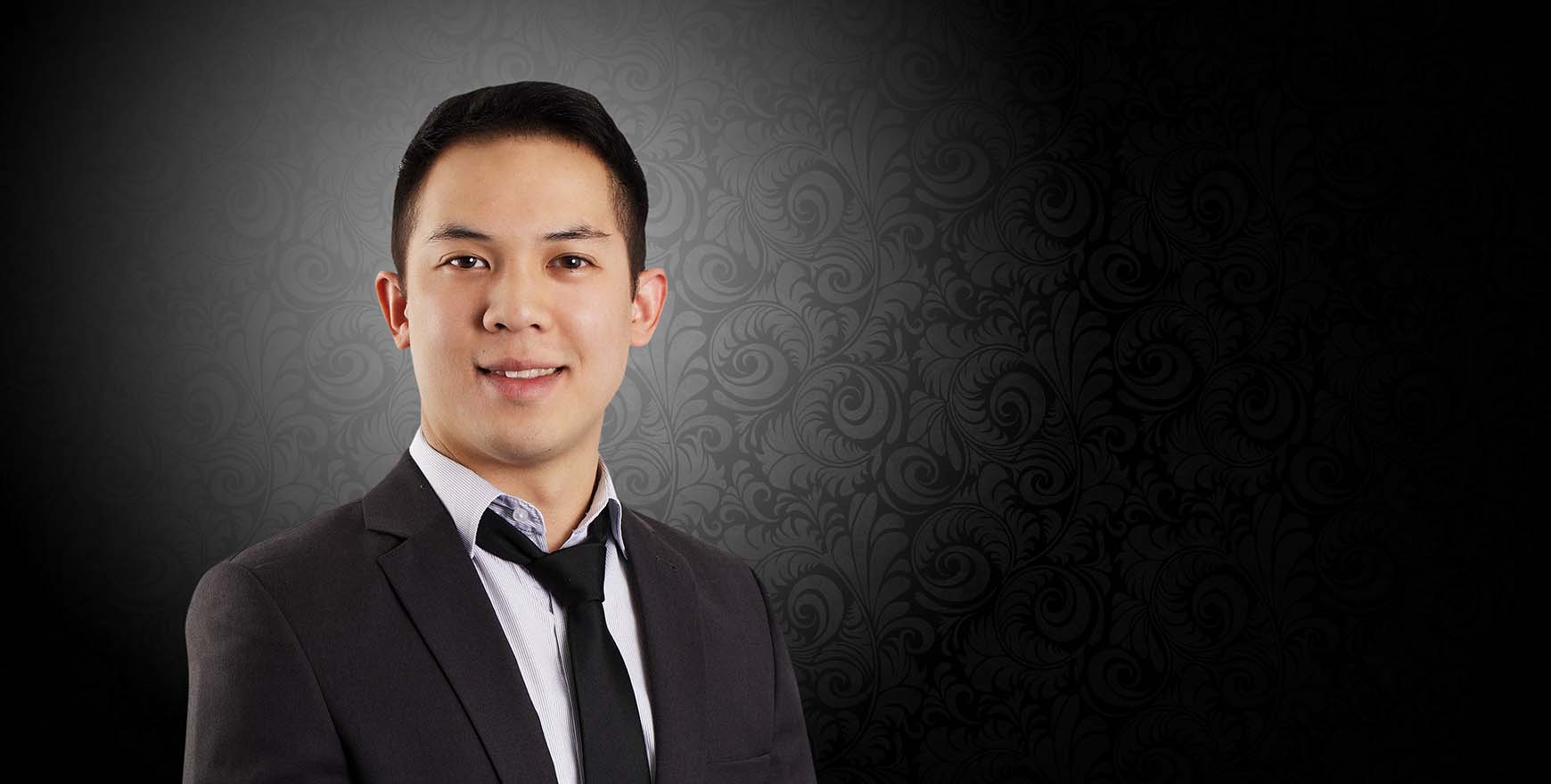
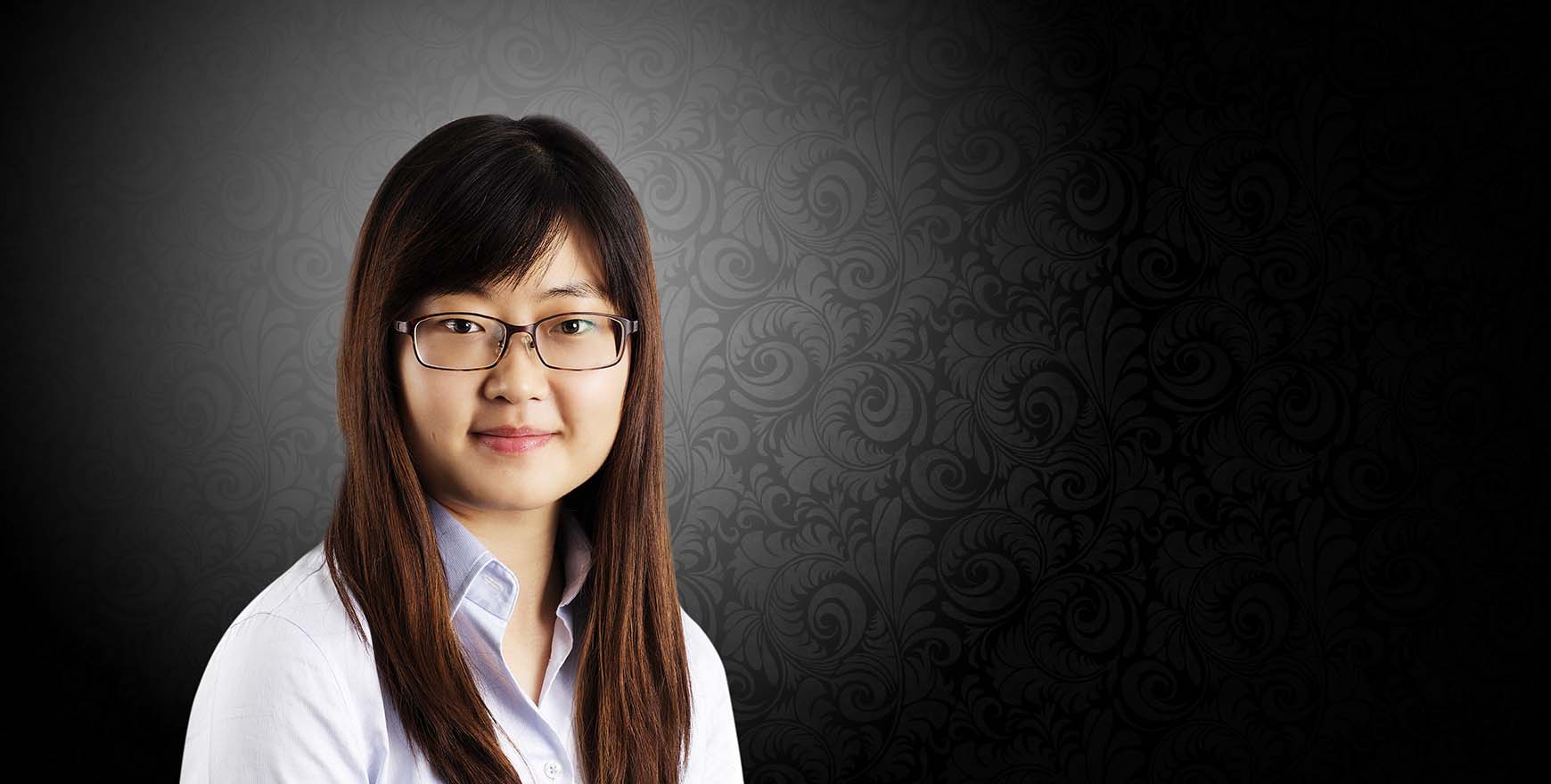
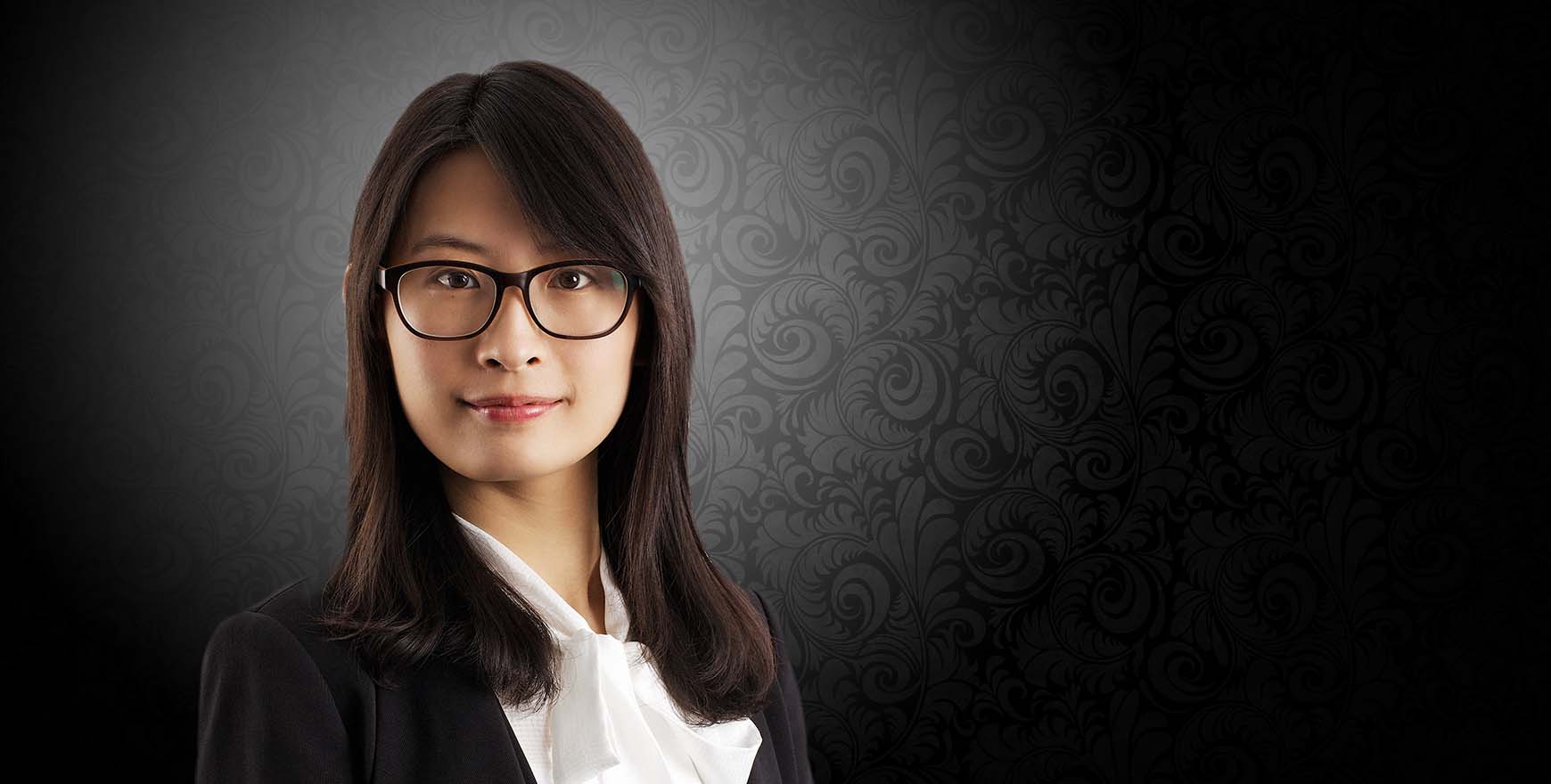
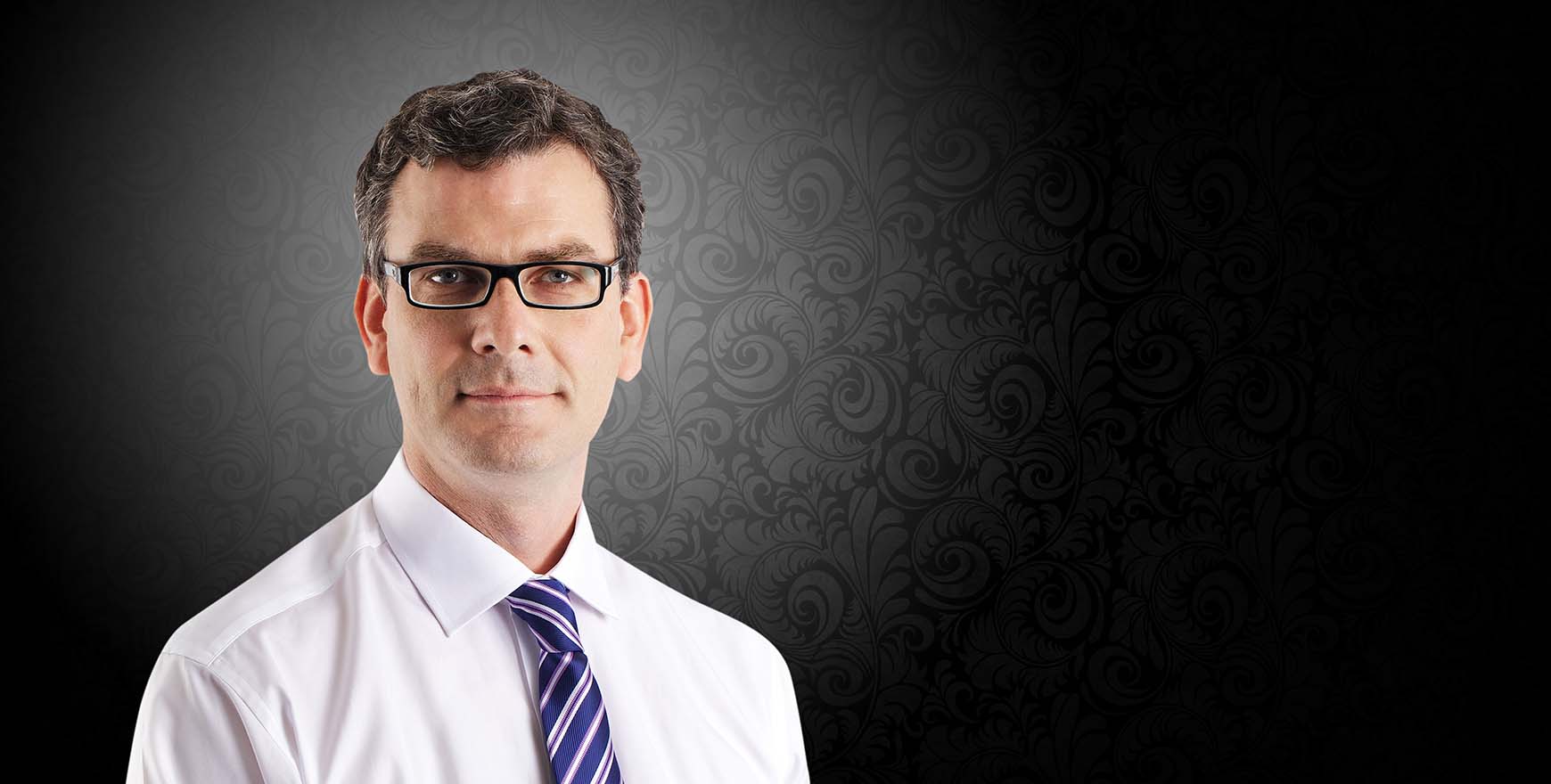
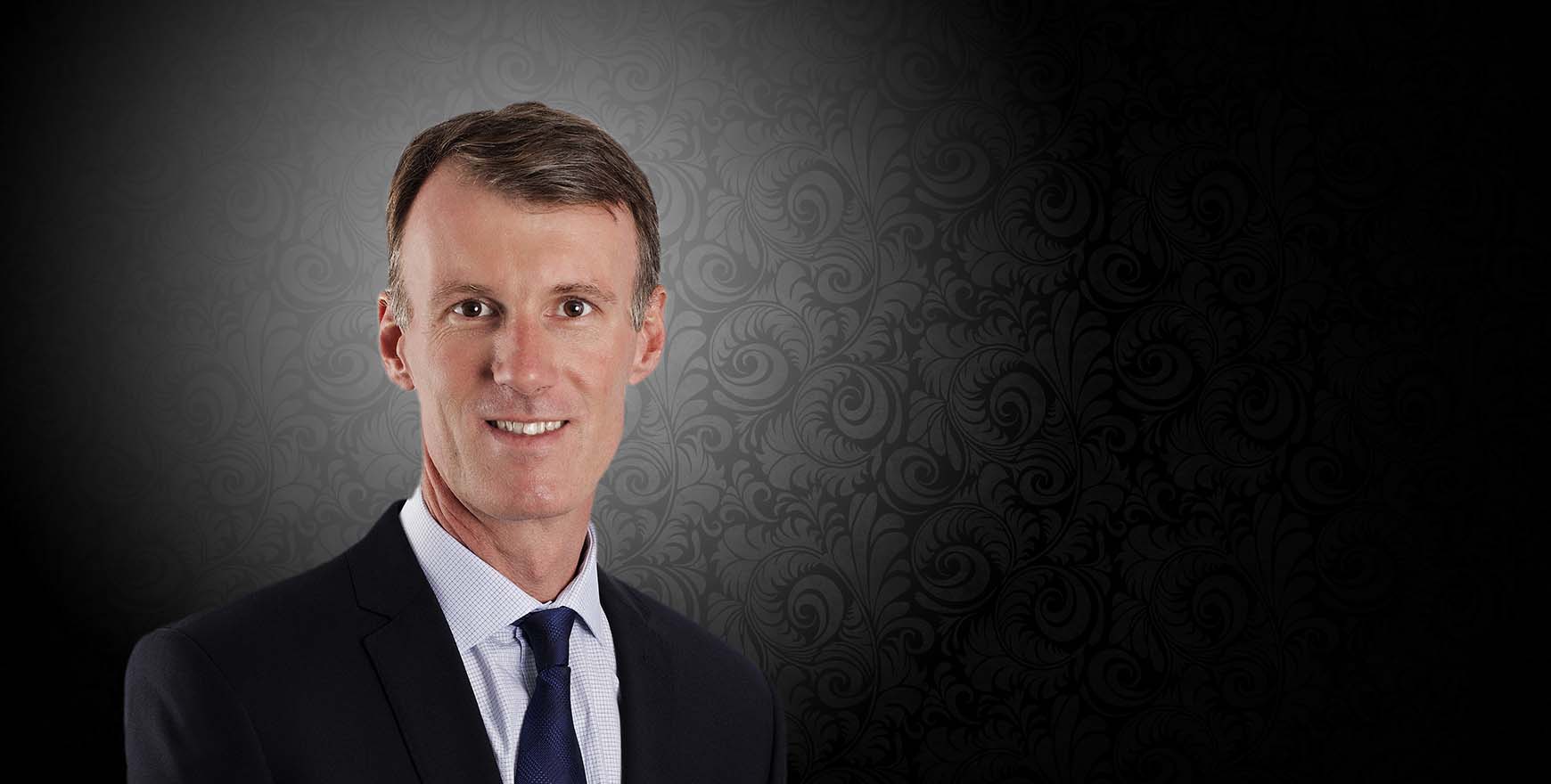
Getting a professional photographer to take your Business Headshots Brisbane allows your personel to look their best and represent your corporation in a manner that makes them look exceptional and informed.
Being experts in Company Headshots we love to create professional portraits that help with your business marketing. Magnificent company portraits support you to look professional and communicative.
Our Brisbane Corporate Headshots are state of the art portraits designed to have you looking your best. Professionally produced head shots make you look like the professional that you are.